
Lily Digital Bouquet
A lily digital bouquet sends devotion and purity by link. Choose lilies, write a sincere note, and deliver instantly — free, no app, no wilting, no sign-up.

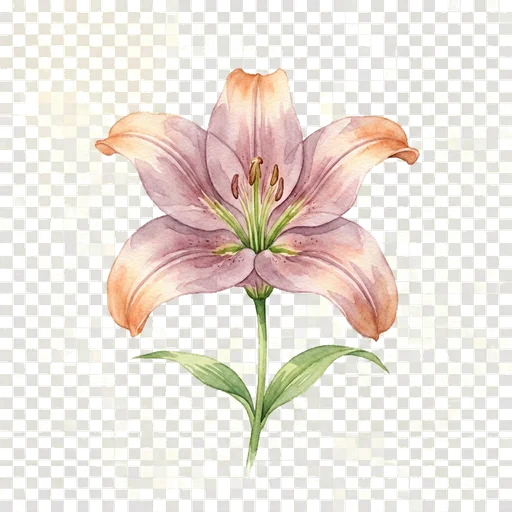
Some flowers shout. A lily digital bouquet doesn't. Lilies stand for devotion and purity — sincere, calm, and quietly dignified — and they carry a kind of weight that louder blooms can't quite manage. They're the flower you reach for when you mean what you're saying and you don't need to make a show of it.
That makes them a natural fit for the gestures that real flowers handle clumsily and a text handles too lightly: a quiet thank-you to someone who showed up for you, a steady word for a friend far away, a mark of respect when someone is hurting. A digital lily bouquet lands the moment you send it, costs nothing, and never wilts — so the calm it carries stays exactly as you made it.
What a lily means
Across centuries and traditions, lilies have kept a remarkably consistent character. The blooms stand for devotion, renewed innocence, sincerity, and elegance — a cluster of meanings that all point the same direction: steady, honest, dignified, never showy. Where a rose declares and a tulip flirts, a lily simply means it.
A few shades worth knowing:
- White lilies carry purity, sympathy, and restored peace. They're the bloom people turn to for gratitude and quiet respect, and the one most often chosen when someone needs comfort without words.
- Sincerity runs through the whole family. A lily reads as genuine — the flower you send when the sentiment needs to be felt rather than performed.
- Devotion is the through-line. Lilies suggest a bond that holds steady, not one that flares and fades.
The result is a flower that fits the moments people usually under-do. We dash off "thanks so much" in a text and move on. We mean to check in on someone recovering and forget. A lily gives those small, sincere gestures a shape — something the other person can open, reread, and keep.
There's also a dignity to lilies that's worth naming. They don't lean on bright color or fragrance to make an impression; their shape does the work — tall, clean, composed. That's why a lily arrangement tends to read as considered rather than impulsive. When you send one, the message isn't "I grabbed the first thing I saw." It's "I chose something calm on purpose." A digital lily bouquet carries that same feeling without the cost, the stem-cutting, or the week-long countdown to wilting.
When to send a lily digital bouquet
Because lilies carry calm and sincerity rather than excitement, they suit the occasions where you want warmth without noise:
- Gratitude. A genuine thank-you lands harder when it arrives as flowers. Lilies say I noticed, and I mean it — far better than another emoji. If you're overdue on thanking someone, the thank-you flowers page walks through how to word it.
- Quiet devotion. For someone who's been there a long time — a parent, a partner, a steady friend — lilies mark the bond without overcomplicating it.
- Sympathy and comfort. White lilies in particular carry a sense of restored peace. When someone is grieving or simply worn down, a calm arrangement says I'm thinking of you without demanding a reply.
- Get-well wishes. Lilies bring a quiet, dignified brightness — no fuss, no allergies to worry about, no hospital flower rules to navigate. The get-well flowers guide has more on what to write alongside.
- Long distance. When someone you care about is on the other side of an ocean, a lily bouquet that opens instantly closes the gap for a moment. See the long-distance bouquet page for the full thinking.
There's also a quieter, less-occasions-driven reason people reach for lilies: they're simply a tasteful choice when you don't want to overstate things. A rose can feel loaded; a daisy can feel casual. A lily sits in between — earnest without being heavy, friendly without being flippant. If you're not sure what mood the recipient is in, that neutrality is genuinely useful. If any of those sound like the message you're sitting on, the whole thing takes about five minutes — free, and delivered the instant you finish.
Whichever the occasion, the note matters more than the arrangement, and lilies ask for a particular tone: sincere, unhurried, and specific. A few lines you can adapt:
- "Thank you for being the person I knew I could call. I don't say it enough."
- "Sending you something calm today. I'm thinking of you, and I'm here."
- "I'm grateful for you — quietly, steadily, and often. — [you]"
- "No need to reply. Just wanted you to have something nice to open today."
Keep it short. Name the person and what they mean to you; skip the long preamble. Lilies carry weight on their own, so a few honest sentences are usually more than enough. You have up to 500 characters, which is plenty for a note that someone will actually reread.
One small craft tip: pair the note's tone with the card background. A cream or pale-gold card under white lilies reads as quiet and formal — right for sympathy or a serious thank-you. A warmer tone softens the same flowers into something gentler and more everyday. You're not writing an essay; you're matching a mood, and the whole arrangement should feel like one piece.
How to send a lily digital bouquet
It takes about five minutes from start to shareable link. You can build one in the create tool:
- Choose your flowers — pick lilies as the heart of the arrangement. Two or three are plenty; more than that starts to crowd the calm you're going for. A single white lily on its own reads as quietly confident.
- Pick a card style — something soft and dignified, like cream or pale gold. Loud colors fight the mood lilies set.
- Write your note — sincere and direct, a few lines from the heart.
- Send the link — copy it, text it, or post it however you'd reach them. They open it whenever they're ready.
That's the whole flow. There's no sign-up, no paywall, and no premium tier hiding the better blooms — the same lily bouquet a stranger makes is the same one you can make.
And the point of sending flowers is that opening them should feel like a moment, not a file download. When the person you sent the lily bouquet to taps the link, their browser loads a page where the flowers settle into place against the card background you chose, with your note right there beside them — a small reveal rather than a flat stock image.
Nothing gets in their way. No login screen, no app install prompt, no "create an account to view." They don't need to know what a digital bouquet is beforehand; they tap, they see lilies and a message from you, and the meaning lands immediately. The link works on phones, tablets, and laptops alike, and it keeps working — so weeks later, on a hard day, they can reopen the same arrangement and feel the same calm.
Because the bouquet is encoded in the link itself rather than stored on a server you don't control, what you send stays private between you and them. There's no profile to stumble onto, no comment thread, no note sitting in a database waiting to be breached. It's just your lilies and your words, opened on their screen.
Digital lilies vs. real lilies
Real lilies are beautiful — and famously short-lived. A cut stem lasts roughly a week to ten days before the petals drop, and the strong fragrance that fills a room on day one fades fast. A digital lily bouquet sidesteps all of that:
- Cost. A delivered lily arrangement runs $40–$80 and up; a digital bouquet is free, every time.
- Speed. Same-day delivery is the best a florist manages; a link arrives the second you send it — which matters when someone needs the comfort now, not tomorrow.
- Lifespan. Cut lilies wilt inside two weeks; a digital bouquet stays exactly as you made it for as long as the link exists.
- Distance. Sending real lilies internationally is expensive and unreliable; a link works anywhere there's a phone.
- Sensitivities. Real lilies are toxic to cats and their pollen stains fabric — neither is a concern with a digital version.
None of this means digital lilies replace real ones. It means there's now a free, instant option for every moment where ordering a delivery felt like too much trouble, too slow, or simply too far away. For a thank-you that needs to land tonight, or a quiet word of comfort crossing an ocean, a digital lily bouquet is often exactly the right size of gesture.
Say it quietly, and mean it
A lily doesn't need volume to be heard. If you've been carrying a thank-you, a word of comfort, or a quiet mark of devotion that you keep meaning to send, this is the low-friction way to actually do it — free, instant, and as sincere as the note you write with it. Create a lily digital bouquet and send it to someone today.
Frequently Asked Questions
What does a lily digital bouquet mean?
A lily digital bouquet stands for devotion and purity — sincere, calm, and quietly dignified. It's the flower you send when you want to express gratitude, respect, or steady affection without being flashy.
When should I send a lily bouquet?
Lilies suit gratitude, devotion, sympathy, and quiet respect — thank-you notes, get-well wishes, condolences, or marking a long-standing bond. White lilies in particular carry a sense of restored peace.
Is sending a lily digital bouquet free?
Yes. Building and sending a lily bouquet on digibouquet.site costs nothing — no subscription, no paywall, no account. Every card style and flower is available to everyone.
How does the recipient open it?
You get a shareable link after creating the bouquet. Send it by text, email, or social media. The recipient taps it, their browser opens the page, and the lilies reveal themselves. They never sign up or install anything.
What should I write with a lily bouquet?
Keep it sincere and unhurried — name what the person means to you and why you're grateful. A few honest sentences land better than a long message; lilies carry weight on their own.
Make your own in five minutes
Choose flowers, write a note, and share a link — free.
Create a digital bouquet →