
Rose Digital Bouquet
A rose digital bouquet says love and devotion. Pick red, pink, or white roses, add a note, and send a free virtual bouquet by link. Instant, free, no wilting.
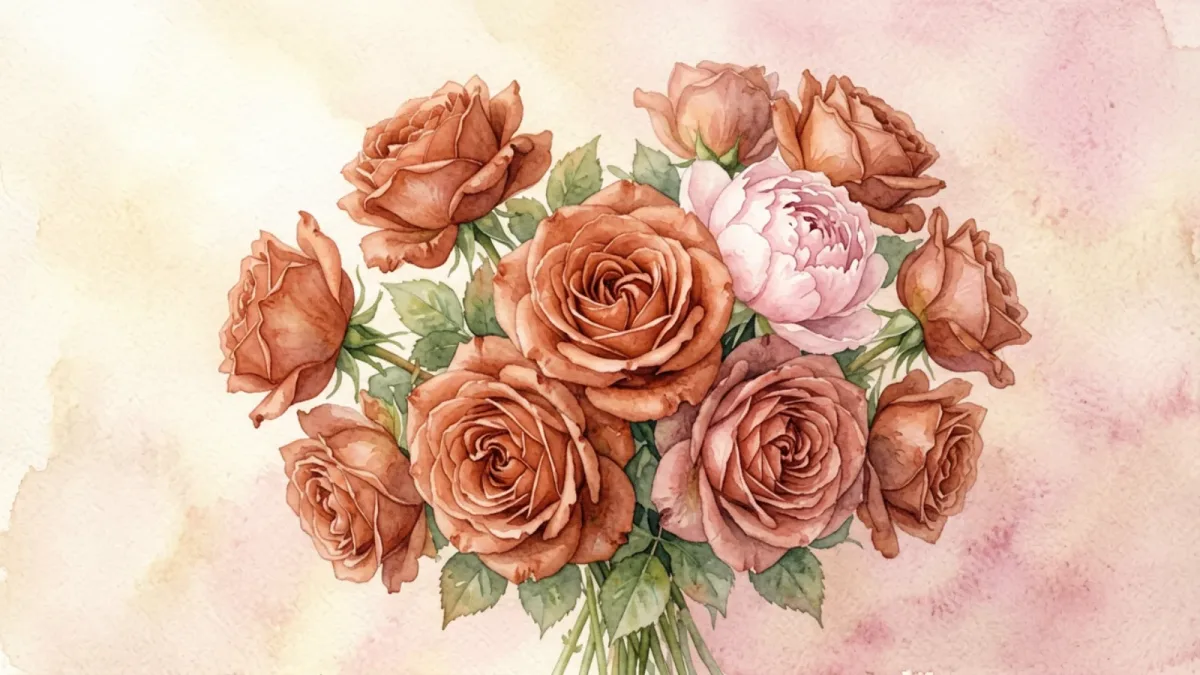
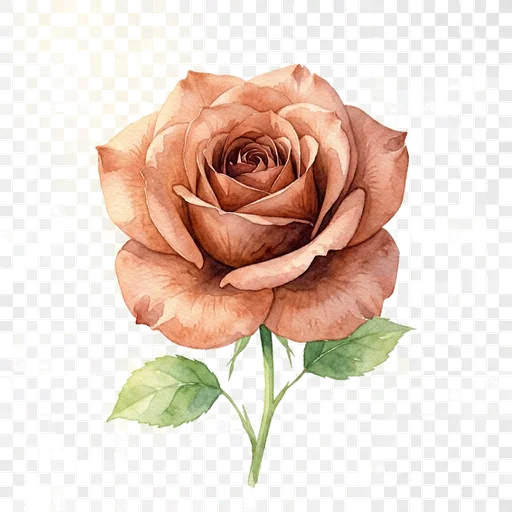
A rose digital bouquet is the love letter of digital flowers. Where a tulip is bright and a daisy is cheerful, a rose carries weight — it is the bloom everyone reads the same way, the one that says this matters before a single word of the note is read. Build one flower by flower, pair it with a handwritten card, and send the person you love a single link. When they open it, the roses reveal themselves the way a real bouquet is unwrapped — only this one never wilts, costs nothing, and arrives the moment you hit send.
That is the whole idea behind a rose digital bouquet: take the single most recognized love flower in the world and strip away everything that gets in the way of sending it — the forty-dollar price tag, the next-day delivery window, the distance, the dead stems a week later. What is left is the gesture itself, distilled into something you can share from any device, to anyone, for free.
Why roses are the ultimate love flower
Nothing else communicates as cleanly as a rose. For centuries it has sat at the center of romantic language, and that shared meaning is exactly what makes it so useful: when you send a rose, you do not have to explain it. The recipient already knows. There is no ambiguity to untangle, no reading-between-the-lines — a rose is a declaration, and a confident one.
That confidence is why a rose digital bouquet is the right call for the moments that can't afford to be misunderstood:
- Anniversaries. The date you mark every year deserves a flower that says it plainly. A few red roses and a note about the year you've had land with real weight.
- Valentine's Day. The obvious choice, and a good one. A rose bouquet on February 14th is the one day nobody questions the gesture.
- A confession or first "I love you." When you're finally saying the big thing out loud, a rose arrives with the words and removes any doubt about how you mean them.
- Romantic gestures, just because. The roses that land hardest are often the unprompted ones — a Tuesday reminder that the feeling hasn't gone anywhere.
- Romantic apologies. When the apology is between partners and you want the seriousness of an unmistakable gesture. The apology bouquet page covers when a rose works for sorry versus when a lighter flower reads better.
A rose is not, however, the right answer to every message. It carries romantic weight, which means it can feel heavy for a no-strings-attached hello to a friend or a casual get-well. For those, reach for a daisy or a tulip instead. The rose earns its power by being saved for the moments that deserve it.
What each rose color means
The color is where the real nuance lives. A rose is never just "a rose" — the shade you choose shifts the message in a specific direction, and a digital bouquet lets you be exact about it.
Red roses — deep romantic love and passion. The classic, and the one most people picture first. Red is the color of unmistakable romantic feeling: desire, devotion, the kind of love that is in it for the long run. Send red when you mean love in the fullest sense and want zero room for misreading. It is the anniversary rose, the Valentine's rose, and the "I love you" rose. Pink roses — admiration and gratitude. Pink softens the message. It carries warmth and appreciation without the full heat of red, which makes it surprisingly versatile: a pink rose bouquet works for a partner you're grateful for, a deep thank-you to someone you admire, or a gentler romantic gesture early in a relationship where red might feel like too much too soon. Light pink leans tender and sweet; brighter pink reads joyful.
White roses — purity and new beginnings. White is calm, clean, and full of fresh-start energy. That is why it shows up at weddings more than any other flower — it says this is the beginning of something. A white rose digital bouquet fits an engagement, a new chapter together, a fresh start after a rough patch, or a quiet, sincere love that doesn't need to shout.
Most people don't overthink the count. Two or three roses read as deliberate and personal; a fuller cluster feels abundant and celebratory. Because a digital bouquet costs nothing, you can lean generous without a second thought — and pair colors when the message calls for it. Red and white together, for instance, is a classic combination that reads as unity, while red and pink reads as deep love layered with tenderness.
And the note is what turns a beautiful arrangement into something they'll keep. A rose already says love; the card tells them which kind, and why, and right now. A few lines you can adapt:
- "Happy anniversary. Every year with you is the best one yet. — [you]"
- "I love you. Not because I have to say it — because I can't help it."
- "I'm sorry. You deserve better than what I said, and I'll show you. I love you."
- "From the day I met you, nothing else has come close."
- "Thank you for choosing me, again and again. I'd choose you too."
Keep it short and specific. A real detail — the song that was playing, the night you knew, the thing they do that you love — lands harder than a grand generic line. Up to 500 characters is more than enough.
Pairing roses with one other bloom
A single type of rose is plenty on its own, but pairing it with one contrasting bloom is where a digital bouquet gets interesting. The second flower either deepens the rose's meaning or lightens it, and because you're composing on a screen, you can experiment until it feels right.
- Rose and tulip — perfect love. A tulip means perfect love in a lighter, more playful register than a rose. Pairing them says I love you, and I like you — the devotion of the rose alongside the easy warmth of the tulip. It's a strong combination for a partner you genuinely enjoy, not just love.
- Rose and peony — abundant love. A peony brings lush, generous good fortune. Beside a rose it reads as a love that is prosperous and full, well suited to an anniversary or a celebration of a relationship that has grown rich over time.
- Rose and lily — calm devotion. A lily adds quiet elegance and sincerity. The pairing feels considered and a little formal, good for a milestone or a love that has settled into something steady and trusted.
- Rose and orchid — rare admiration. An orchid brings a sense of the rare and refined. Pair it with a rose when the person you're sending to has taste you genuinely admire and a love you consider one of a kind.
The rule of thumb is simple: pick one rose color, add one contrasting bloom, and let the two meanings sit side by side. More than two types starts to muddle the message — the whole point of a rose bouquet is clarity, and a crowded arrangement works against that.
How to send a rose digital bouquet
It takes about five minutes. You can build a rose bouquet here:
- Choose your roses. Pick the color that matches your message — red for love, pink for admiration, white for a fresh start — and set the count. Add one contrasting bloom if you want the pairing.
- Pick a card style. Something warm and rich suits roses well; soft reds, deep creams, and warm golds let the flowers stay the focus.
- Write your note. A few honest lines from the heart. This is the part they'll remember.
- Send the link. Copy it and send it by text or email. They open it when they're ready, and the roses reveal themselves.
There's no sign-up, no paywall, and no premium tier hiding colors behind a subscription. The same bouquet a stranger makes is the same one you can make. If you'd like more on the format itself first, the digital bouquet and virtual flowers pages cover how the whole thing works.
Roses beyond romance
The rose's reputation is romantic, but the flower itself is wider than that. Read it past the red and you find a bloom that also carries gratitude, respect, and friendship — messages that have nothing to do with romance but benefit from the rose's seriousness all the same.
Pink does most of this work. A pink rose says I admire you without the heat of red, which is why it suits a mentor, a parent, or a friend you genuinely look up to. Yellow roses are the friendship color — bright and uncomplicated, they read as warmth with no romantic undertone at all, and they pair naturally with a tulip when you want to keep things light. White, with its clean-start energy, fits a graduation or a new beginning that has nothing to do with a partner.
There is a line worth holding, though. A red rose sent to a platonic friend reads as a mixed signal, because red's romantic meaning is too loud to override with a note. If the relationship isn't romantic, reach for pink, yellow, or white instead — they say the sincere thing without borrowing trouble. The rose's power comes from precision: pick the shade that matches the feeling, and the same flower that declares love can quietly honor a friendship, thank a teacher, or mark a fresh start — no romance required.
Say it with roses today
A rose has always been the loudest way to say love quietly. You don't need a florist, a delivery window, or a budget to send one — you need five minutes and a few honest words. Send a rose digital bouquet now, free and instant, and let the person you love open it the moment you hit send.
Frequently Asked Questions
What is a rose digital bouquet?
A rose digital bouquet is a custom arrangement of digital roses you build online and send as a link. You choose the rose color and count, write a short note, and the recipient opens a reveal of the finished bouquet — no app, no account, no cost.
What does each rose color mean?
Red roses mean deep romantic love and passion. Pink roses mean admiration and gratitude. White roses mean purity and new beginnings, which is why they often appear at weddings. Choose the color that matches the feeling you want to send.
Is it free to send a rose digital bouquet?
Yes. Creating and sending a rose bouquet on digibouquet.site costs nothing — no subscription, no paywall, and no account. Every rose color and card style is available to everyone.
When is a rose bouquet the right choice?
Roses are the right call for unmistakably romantic moments: anniversaries, Valentine's Day, a heartfelt confession, or a romantic apology. If the message is friendship or a quick hello, a lighter bloom like a tulip or daisy often fits better.
How fast can I send one?
Instantly. Once you've built your bouquet, you get a link to send by text or email. The recipient opens it right away — far faster than a delivered arrangement, which matters when a moment can't wait.
Make your own in five minutes
Choose flowers, write a note, and share a link — free.
Create a digital bouquet →