
Sympathy Bouquet
A sympathy bouquet says you're thinking of someone in grief. Build free virtual condolence flowers by link — pick quiet blooms, write a sincere note, no app.

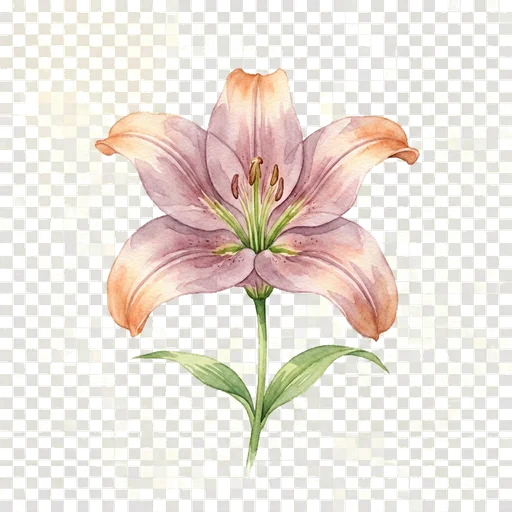
Some moments don't want a grand gesture. They want something quieter — a small, sincere gesture that says I'm thinking of you without demanding anything back. A sympathy bouquet is exactly that: a few calm blooms chosen for the kind of moment when louder flowers would feel wrong, paired with a note in your own words, sent as a single link that opens into a quiet reveal. It costs nothing, takes about five minutes, and arrives the moment you finish writing it — which is often exactly when it matters most.
Grief has its own clock. The day you hear about a loss, or the day of the service, or the quiet weeks after when the casseroles have stopped coming — those are the moments a sympathy bouquet is built for. And because it's free and instant, you can act on the impulse at any of them, instead of letting the silence stretch another day.
What a sympathy bouquet says
A sympathy bouquet doesn't try to fix anything. It can't, and that's the point. The flowers are a quiet way to mark a moment — to acknowledge the loss without pretending you have the right words, and to let the person know they aren't alone with it.
Three threads run through what the gesture is for:
- Acknowledgment. Naming, gently, that something hard has happened. The flowers do this before the card is read.
- Presence. Showing up, even when you can't physically be in the room. A link sent from another time zone still says I'm here.
- Undemanding care. Sympathy flowers ask for nothing back. The grieving person can open them whenever they're ready — minutes later or weeks later — without pressure to respond, perform, or hold themselves together.
A sympathy bouquet also takes a small weight off the giver. You don't have to find the perfect sentence. You don't have to know what to say at the funeral. You pick the blooms, write a few honest lines, and send. The flowers carry the awkwardness, so your words can stay simple.
There's also a practical shift that makes digital sympathy bouquets fit the moment: real condolence flowers are expensive and, more importantly, arrive and wilt. A digital version sits in their inbox as a link they can reopen whenever they want a small, calm reminder. For someone in the long weeks of grief, that durability matters.
The right flowers for sympathy
Sympathy bouquets lean on flowers that read as calm, pure, and reverent. They aren't trying to brighten the room. They're trying to meet the room where it is. The traditional choices, in roughly the order most people reach for them:
- White lilies. The classic sympathy flower. They carry peace, restored innocence, and the quiet dignity of a moment that's already heavy. White lilies say this is hard, and I'm not going to pretend otherwise.
- White roses. Pure, clean, and reverent. White roses suit a loss that's fresh, a funeral, or a moment when you want the flowers to fade into the background and let the note lead.
- Camellias. The flower of longing. Where a lily says peace, a camellia says I miss them too, and I miss them with you. They fit losses where absence is the loudest feeling.
- Lotus flowers. The bloom of coming through something. A lotus fits a long illness, a slow goodbye, or a moment when the grieving person is starting to emerge on the other side. The lotus digital bouquet page goes deeper on what makes a lotus fit moments of quiet strength.
Most people don't overthink the mix. Two or three blooms of any of these — same color family, restrained palette, soft card background — already read as a sympathy bouquet. Adding more flowers, brighter colors, or playful pairings works against the moment. Restraint is part of the language.
If you're unsure, a small white lily and a single camellia is the closest thing to a safe default. It covers acknowledgment and presence without stepping on anything.
When to send a sympathy bouquet
Grief isn't a single moment — it's a long arc, and the right time to send something depends on where the person is in it. A few of the moments when a sympathy bouquet lands especially well:
- The day you hear. Sometimes you learn about a loss hours before you know what to say. A sympathy bouquet sent the same evening is a way to mark I just found out, and my first thought was of you without needing to compose the right paragraph.
- The day of the service. Whether you're attending in person or watching from afar, a sympathy bouquet sent in the morning lands as a quiet gesture of presence. The recipient can open it before, during, or after — whenever the moment allows.
- The week after. The days just after a loss are loud with attention. The weeks after are quiet, and the grieving person is often more alone with the grief than anyone realizes. A sympathy bouquet sent two, three, or four weeks later is the one that catches them in the long pause. They remember it.
- An anniversary. A year on, the date of the loss, the birthday of the person who died — these moments reopen the wound gently. A sympathy bouquet on an anniversary says I remember, and I remember with you.
- When you don't know what else to do. If you've been carrying the thought of someone since you heard, but haven't managed to say anything, a sympathy bouquet is the low-friction way to act on it. It's never too late, and the link doesn't expire.
The only wrong time to send a sympathy bouquet is none. Show up while the impulse is still warm.
What to write in a sympathy note
The note is the half they'll reread. Sympathy cards are read and reread for weeks; the flowers sit alongside the message and remind the recipient that someone thought of them. A few templates you can adapt, with the rule that less almost always lands harder than more:
- "I'm so sorry. I'm thinking of you today and every hard day after."
- "No words for this. Just wanted you to know I'm here."
- "I loved them too. I'm bringing dinner Thursday — say no if it's wrong, otherwise I'll see you at six."
- "Sending you quiet today. Reply whenever, or never. I'm not going anywhere."
The pattern across all of them: keep it short, name what you feel, offer one specific thing if you mean it, and stop before you try to explain. Up to 500 characters is more than enough for a sympathy note, and lines that try to interpret the loss — they're in a better place, everything happens for a reason — almost always land poorly, even when they're meant well. The honest move is to acknowledge the grief, not to talk past it.
If you can, name one concrete thing about the person they lost. I loved how he laughed at his own jokes before the punchline. I'm so glad I got to hear that laugh. Specific details carry the weight of a real relationship; generic comfort lines carry none. Up to 500 characters lets you fit two or three short sentences that hold a real memory in them.
How to send a sympathy bouquet
It takes about five minutes. You can build a sympathy bouquet here:
- Choose your flowers. Two or three quiet blooms — white lilies, a camellia, a lotus. Skip bright colors and playful mixes. Restraint reads.
- Pick a card style. Soft cream, muted white, gentle sage. Anything loud fights the mood you're setting.
- Write your note. Two or three sentences. Name the loss, name a memory, offer something specific. Stop while it's still honest.
- Send the link. Text, email, or message — whichever way you'd reach them. They open it when they're ready. The bouquet stays exactly as you made it.
There's no sign-up, no paywall, and no premium tier. The same sympathy bouquet anyone else can build is the one you can build. If you'd like more on the larger language of flowers before you start, the digital flowers guide walks through each bloom and what it carries. And if you're also marking a moment of celebration in the same stretch — a birthday, a thank-you, a small win for the grieving person — the rest of the bouquet pages cover those, too.
One small practical note worth naming: because the bouquet lives in a link rather than on a florist's delivery schedule, you can act on the impulse at any hour. Grief surfaces at 2 a.m., during a meeting, in the middle of an ordinary Tuesday — and a sympathy bouquet you can build in five minutes means you don't have to hold the feeling until a shop opens. You send it while it's still warm, which is exactly when it arrives best.
Why a digital sympathy bouquet works
There is one question almost everyone asks before sending a digital sympathy bouquet, and it's worth answering honestly: is an online bouquet really appropriate at a moment like this? The short answer is yes, with a few conditions.
What makes a sympathy gesture land isn't the medium. It's the intent. Flowers that arrive wilted at the wrong door, a sympathy card that was clearly mass-produced, a bouquet sent from a florist's auto-reply — these feel impersonal not because of the format but because the giver didn't really show up. A digital bouquet you composed yourself, with a note in your own words about someone you both knew, lands with exactly as much warmth as a delivered arrangement. The medium is neutral; the care in the choice is what shows.
Digital sympathy bouquets also have a few quiet advantages in this specific moment. The grieving person can open them privately, on their own time, without the public visibility of a delivered wreath at the door. They can save the link. They can come back to it on a hard day three weeks later and find the same flowers and the same words waiting. A delivered bouquet wilts and is thrown out; a digital one stays exactly as you made it.
None of this replaces real flowers when you want them — a funeral, a graveside service, a moment when physical presence matters. It does mean there's now a free, instant option for the dozens of other moments where ordering felt like too much trouble, too slow, or simply too far away. For a Tuesday afternoon three weeks after the service, when the grieving person is alone with their inbox, a sympathy bouquet sent in five minutes often matters more than a grand gesture you might have sent earlier.
Say the quiet thing
The right words are hard to find in a moment like this. You don't have to find them. A sympathy bouquet carries what you can't quite say: I'm here, I see you, I'm not going anywhere. Pick two or three quiet blooms, write a few honest lines, and send the link the moment you finish writing it. Build a sympathy bouquet now — free, instant, and exactly as sincere as the moment you're trying to meet.
Grief doesn't wait on a florist or a budget, and your care shouldn't have to either. A small, calm arrangement, sent while the thought is still fresh, is something the person will hold onto for weeks. That's the whole point of a sympathy bouquet — not to fix anything, but to make sure they know they aren't alone with it.

Frequently Asked Questions
What is a sympathy bouquet?
A sympathy bouquet is a small, quiet arrangement of flowers you send to someone who is grieving or going through a hard loss. The flowers are chosen for calm, not celebration — lilies, white roses, camellias, and lotuses are the traditional choices. It's a way to say 'I see you, and I'm here' without needing to find the perfect words.
Which flowers are right for sympathy?
White lilies and white roses are the most traditional sympathy flowers, carrying peace and remembrance. Camellias add a quiet note of longing. Lotus flowers fit when the loss involves long illness or hard recovery. Two or three blooms are plenty — a sympathy bouquet is restrained by design.
Is it appropriate to send a sympathy bouquet online?
Yes. A digital sympathy bouquet serves the same purpose as a delivered one: it lets the person know they're being thought of. For someone far away, or for a moment when you can't get to a florist in time, a link sent now lands with more warmth than a delivered arrangement a day late.
When should I send a sympathy bouquet?
Send a sympathy bouquet at the moment you hear about the loss, the day of the service, or weeks later when the wave of attention has faded and the grieving person is alone with their grief. The first days get a lot of flowers; the quiet weeks after are when a link in their inbox can matter most.
What should I write in a sympathy card?
Skip attempts at explaining or fixing. Name what you're feeling ('I'm so sorry'), offer one specific thing if you mean it ('I'm bringing dinner Thursday'), and end simply ('Thinking of you'). Two or three honest lines are far better than a paragraph that tries too hard.
Make your own in five minutes
Choose flowers, write a note, and share a link — free.
Create a digital bouquet →